If you've spent any time around Swedes, you'll have heard the word fika long before anyone explained it. It's a verb, a noun, and — honestly — a way of life.
At its simplest, fika means to gather over coffee and something sweet. But that translation misses the point. Fika isn't really about caffeine or sugar; it's about pausing. It's the decision to stop what you're doing, sit down with people you like, and let a little time go soft at the edges.
More ritual than recipe
In Sweden, fika happens at least twice a day in most workplaces, and nobody apologises for it. You down tools, you put the kettle on, and you sit together. It's not a reward for finishing your work — it's woven into the work itself.
Growing up, fika was the rhythm our days were built around. Mid-morning at my grandmother's table, a plate of buns appearing as if from nowhere, the grown-ups talking about nothing in particular. That feeling is the thing I'm really chasing every time I bake.
What's usually on the table
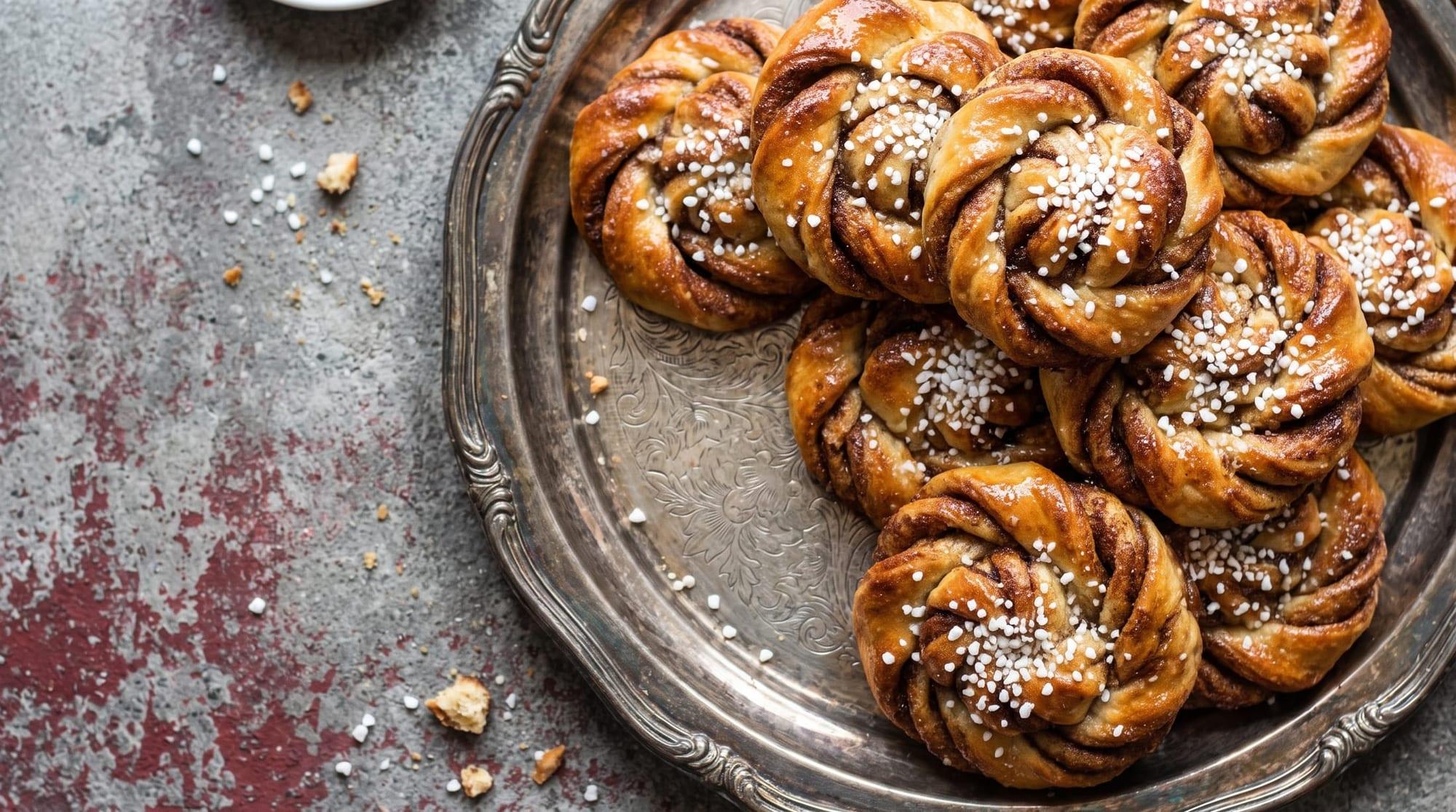
- Kanelbullar — cinnamon buns, the undisputed star of any fika
- A simple sponge, or kladdkaka, our gloriously sticky chocolate cake
- Something seasonal — saffron buns at Christmas, semlor before Lent
- Strong filter coffee, and always a refill
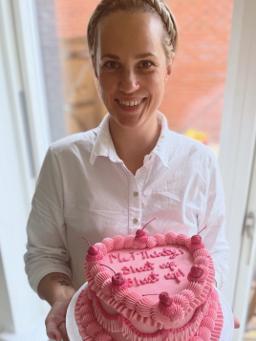
When I bake here in Westbury, I'm not just making a cake — I'm trying to bottle that feeling and send it out the door with you. A cake is never the point of a gathering. It's the excuse for one.
Fika is permission to slow down — and a good cake is just the excuse you give yourself.